


We believe in simple ideas, strong relationships, and lasting impact.
1900’s
The Americano
As aperitivo culture evolved, so did the Milano-Torino. Adding a simple splash of soda transformed the bitter-sweet classic into something lighter, longer, and effortlessly refreshing. The Americano.
The drink quickly became a favourite for those seeking balance without intensity. The addition of soda softened the edges and opened the flavours. Garnished with a slice of lemon to bring a freshness to the cocktail.
It was approachable, sociable, and perfectly suited to an unhurried pace of early evening.
Considered to be the bridge between the Milano-Torino and the Negroni, the Americano still holds its place as a cornerstone of aperitivo culture.

1860’s
The Milano-Torino
The legacy of the Negroni starts here.
When Campari from Milan was cordially introduced to sweet vermouth from Turin, a cocktail that defined the aperitivo came into being.
Affectionately known as the Mi-To, this simple pairing became a staple of café culture. With just two ingredients, the Milano Torino presents as confident, considered, and unmistakably Italian.
Add soda and it becomes the Americano. Introduce gin and the Negroni is born. Prosecco for a Sbagliato. The Milano-Torino is seed from which great cocktails were born.


1919
The Negroni
The legend begins in Florence in Caffè Casoni. Count Camillo Negroni is said to have asked his bartender to strengthen his Americano, replacing soda with gin, a taste he had grown fond of. An orange slice used to marked the drink as his own.
Born of history and refined over time, the origin of the Negroni reflects the spirit of its namesake. Adventurous, discerning, and unapologetically individual. Adventurous, discerning, and unapologetically individual.
Bold and balanced, it is defined by character. Three equal parts of gin, vermouth, and bitters form more than a recipe. They create a ritual that has endured for over a century.
The Negroni is a drink that has travelled the world, yet never lost its sense of place. It rewards patience and often starts the conversation.
1927
Old Pal
Often credited to Harry MacElhone, the Old Pal (named after one of his ‘old friend’s) emerged as a sharper, drier interpretation of the Boulevardier.
By replacing sweet vermouth with dry and favouring rye over bourbon, the cocktail took on a leaner, more assertive profile.
Bracing and unapologetic, the Old Pal has a bright bitterness, crisp structure, and no-nonsense confidence. It reflects a time when cocktails were meant to awaken the palate, not soften it.
Less indulgent, more direct, the Old Pal is a drink for those who appreciate clarity over comfort.

1920’s
Boulevardier
Attributed to Erskine Gwynne, an American expatriate and publisher, the Boulevardier is the Negroni’s darker, more contemplative cousin.
Created in Paris during the interwar years, it replaces gin with bourbon or rye, bringing warmth and depth to the familiar bitter-sweet structure.
Made for the 1920's gentlemen strolling the Parisian boulevards, the cocktail is worldly, literary, and quietly confident. A drink for slower evenings and longer conversations.
1972
Sbagliato
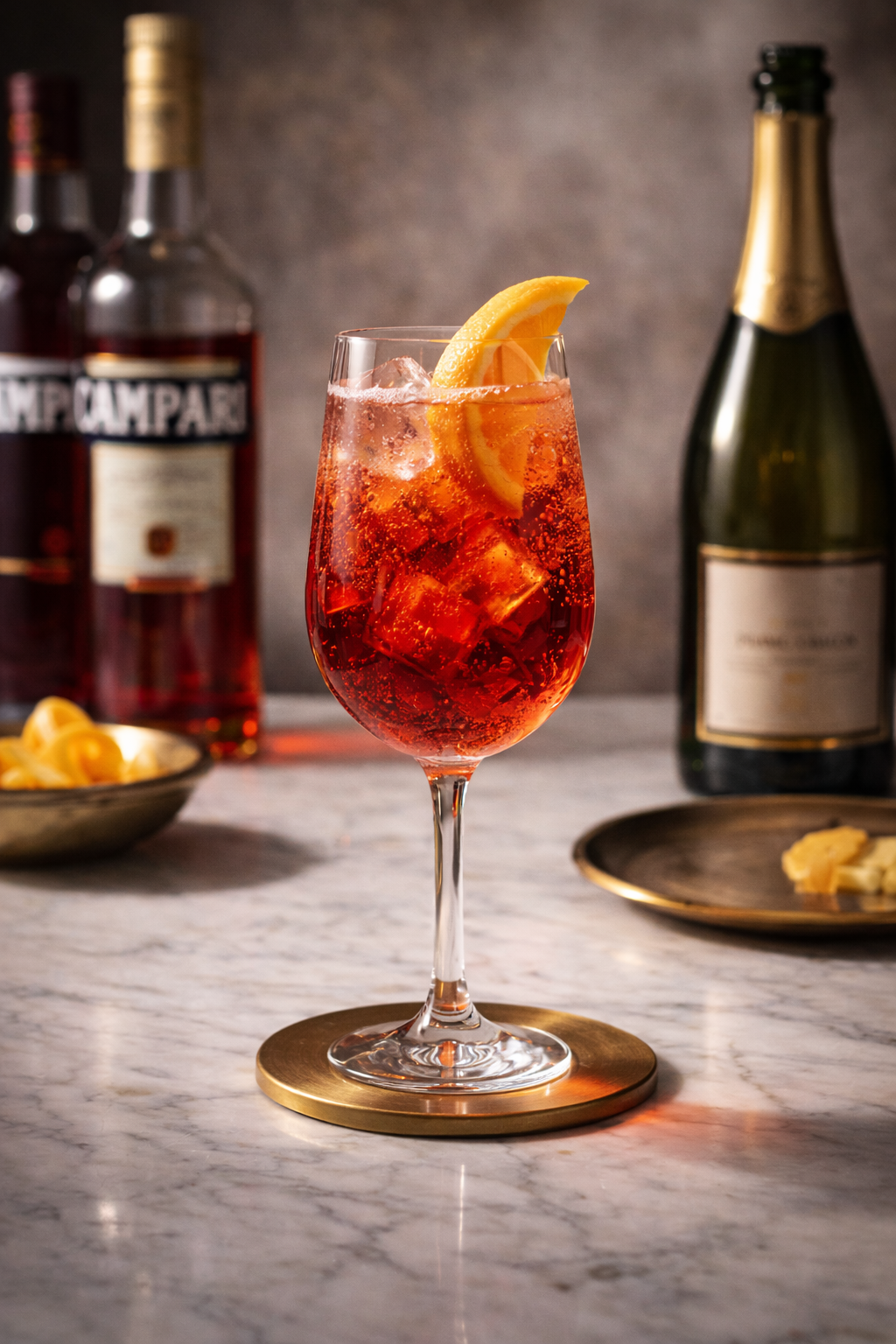
Also known as the ‘wrong negroni’, it is proof that accidents can become icons.
Created in Milan at Bar Basso, bartender Mirko Stocchetto reached for prosecco instead of gin. Rather than correct it, he served it.
The result was lighter, brighter, and effortlessly celebratory. The sparkling wine lifted the familiar bitterness, giving the Negroni a softer edge and a more social rhythm. Less intensity, more ease.
Playful yet refined, the Sbagliato reflects the Italian talent for turning chance into character. A reminder that tradition doesn’t always arrive perfectly formed and that sometimes, getting it wrong is exactly what makes it right.

What Sets Us Apart
People-First Approach
Everything we do is built around understanding your needs and helping you succeed—because when you thrive, so do we.
Long-Term Relationships
We’re not just here for the now. We love creating lasting relationships with our clients and growing with them over time.
Proven Process, Flexible Execution
We bring structure where it counts and adaptability where it matters. Our methods are clear, but always responsive.